One of the most enthralling features in fantasy narrative are magical secrets. They grab readers right away by producing mystery. Something concealed sets off questions whether it be a truth, a place, or a spell. Readers naturally desire to find what lies beneath the surface, therefore their interest keeps them involved throughout the narrative.
Curiosity Guiding the Story
Every magical secret rests on a question ready to be addressed. What is secret? What makes it hidden? And what will happen when it is revealed? These issues build velocity. Authors let secrets develop slowly rather than all at once so that readers may ponder, envision, and anticipate what follows.
This gradual disclosure helps to maintain the vitality of the narrative. Every clue layers on another, therefore creating suspense and making the eventual revelation much more satisfying.
Bringing Depth to the Planet
Magical mysteries make fantasy worlds feel richer and more complicated. One world without secret elements seems flat; one full of hidden magic, lost histories, or preserved knowledge feels alive. It implies there is more to the tale than what first meets the eye.
These concealed strata lend depth and historical perspective to the environment. They give it the impression that the globe existed long before the story started and will persist long after it finishes.
Molding Character Journeys
Magical secrets not only reflect the environment but also help to define the characters inside of it. Characters must grow and evolve as they find these secrets. Their views can be questioned, their bravery tested, and they could be thrown into situations they never anticipated.
The revelation of a secret usually marks a tipping point. It might change the plot’s course and alter the part the character plays in it. This link between discovery and development gives the path more relevance.
Building Drama and Shock
One of the most powerful consequences of magical secrets is the anxiety they produce. Readers wait constantly when they know something is concealed but lack yet understanding. This conflict propels the narrative along.
Usually, when the secret is at last disclosed, there is a gasp or awareness. These events are potent since they reward the reader’s attentiveness and patience. Especially if the secret alters how prior incidents are viewed, they also lend emotional depth.
Wonder and meaning in equilibrium
Magic secrets function best when they go beyond plot tools. They ought to relate to the themes of the book—ideas like accountability, authority, trust, or identity. Reveal of a secret feels significant not only exhilarating when it has significance.
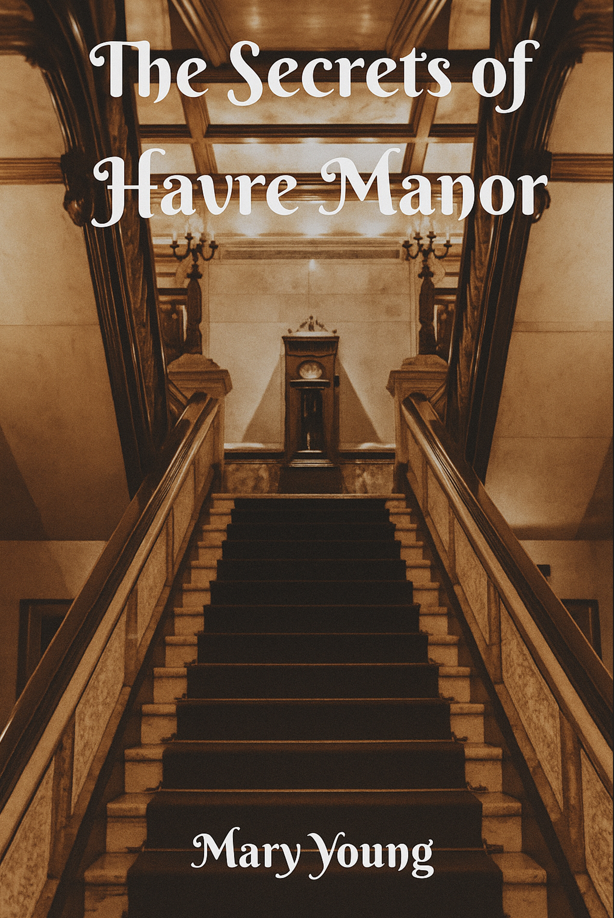
Magical secrets are interwoven throughout the backdrop and characters’ paths in tales like Mary Young’s The Secrets of Havre Manor. The concealed components of the narrative add curiosity and drive the characters’ development and decisions. The narrative strikes a layered, interesting feel as a result of this equilibrium between mystery and meaning.
Why they remain with us
Readers keep magical secrets because they connect with a fundamental need: the wish to find something secret. They help us to remember that both in stories and in real life, there is always more below the surface.
That helps to explain their effectiveness. Combining imagination, emotion, and curiosity, they produce stories that seem vivid and unforgettable long after the final page.